
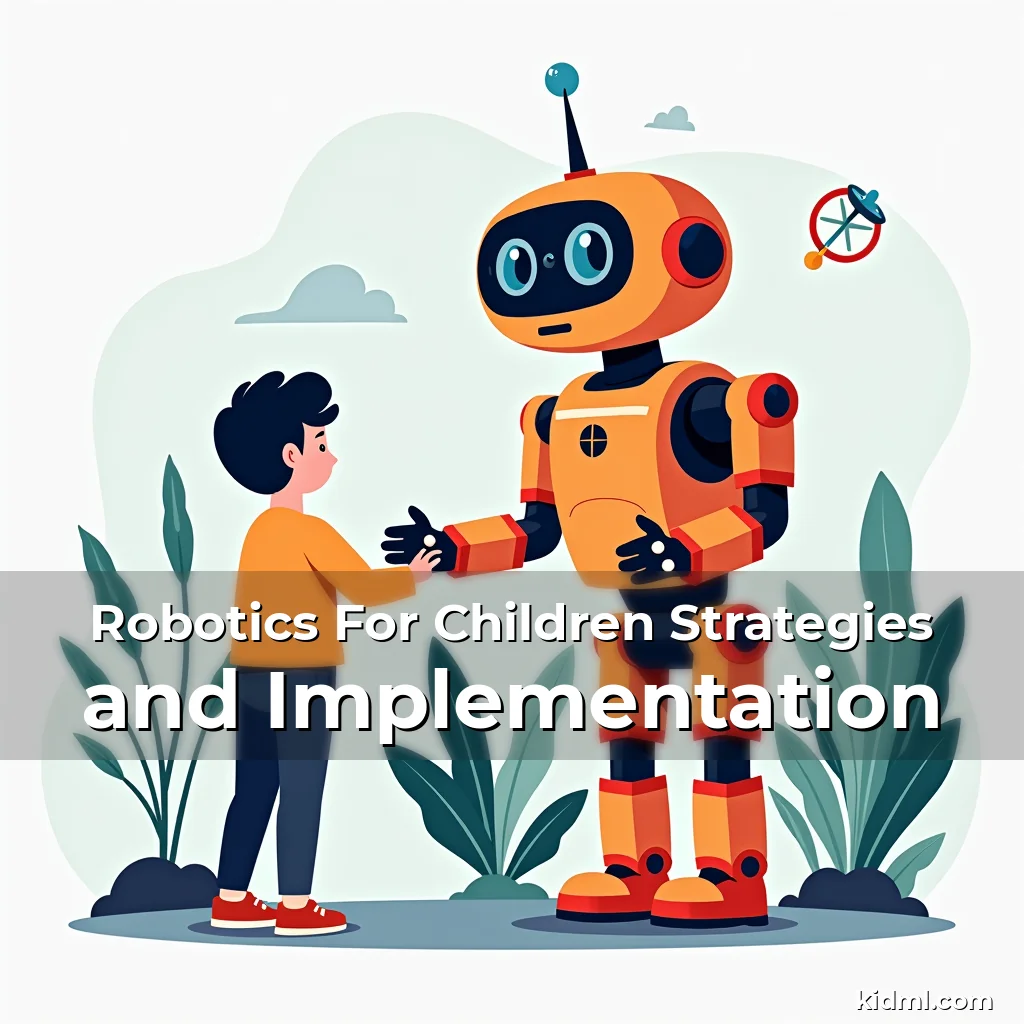
The Amazing World of Robotics for Kids: Sparks of Innovation and Learning
Welcome to the exciting universe where creativity meets technology! In recent years, robotics has become an incredible tool for teaching children essential skills through hands-on learning experiences.
This article explores how robotics can inspire young minds, develop problem-solving abilities, and open doors to future careers in science, technology, engineering, and mathematics (STEM).
Why Robotics is Perfect for Young Learners
Robotics offers a dynamic way for kids to engage with complex subjects by making abstract ideas tangible and fun. Through interactive projects, children learn fundamental principles of physics, math, and programming without even realizing they’re studying.
The tactile nature of building robots helps reinforce theoretical knowledge while fostering curiosity and experimentation. This blend of play and education encourages a deeper understanding of STEM topics than traditional classroom methods often allow.
- Hands-On Experience: Manipulating physical components teaches spatial awareness and fine motor skills as children assemble gears, sensors, and circuits.
- Cognitive Development: Problem-solving becomes second nature when troubleshooting malfunctioning parts or debugging code that doesn’t run correctly.
- Collaborative Skills: Working in teams to complete robotic challenges promotes communication and teamwork, crucial life skills from early childhood onward.
Fostering Creativity and Innovation in Kids’ Robotic Projects
Encouraging creative expression through robotics allows children to explore their imagination freely within structured frameworks. Whether designing a robot that draws pictures or creates music, these activities promote artistic exploration alongside technical mastery.
Kids are not limited to pre-designed kits; many platforms offer customizable options where children can add personal touches such as custom paint jobs or unique sensor configurations tailored to individual interests.
Inspiring Real-World Applications
Many educational programs now emphasize connecting robotic creations to real-world problems students might encounter daily. For example, creating robots that clean up trash helps teach environmental responsibility while practicing coding basics simultaneously.
These connections make learning relevant and meaningful, showing young innovators how their work impacts society positively. It also sparks interest in pursuing further studies related to sustainability or automation fields later in life.
Building Blocks of Robot Kits Designed Specifically for Children
Several high-quality robot kits cater specifically to younger audiences, each offering varying levels of complexity based on age groups and skill sets. These kits typically include motors, sensors, wheels, and programmable microcontrollers designed safely for use by small hands.
The most popular models feature modular designs allowing easy assembly disassembly which makes them ideal for repeated experimentation and modification over time without fear of damaging expensive equipment permanently.
How to Choose the Right Robotics Kit for Your Child
Selecting an appropriate kit depends largely on factors including your child’s current level of technical proficiency, available supervision during construction phases, and long-term engagement potential beyond initial excitement fades away quickly after first few weeks.
Beginner-friendly kits usually require minimal setup and come with guided tutorials explaining basic functions step-by-step whereas advanced versions may involve writing actual computer scripts using languages like Python or Scratch.
Evaluating Safety Features and Educational Value
When shopping for robotic toys always check manufacturer websites regarding safety certifications ensuring materials used meet international standards protecting against choking hazards especially concerning smaller parts included inside some devices.
Besides physical safety aspects consider whether product aligns well with curricular goals set forth by schools districts across country aiming towards integrating more tech-based instruction methods within standard syllabi offerings.
Integrating Robotics Into School Curriculum Effectively
School systems worldwide have begun incorporating robotics units into regular academic schedules recognizing its value not only as standalone subject matter but also serving cross-disciplinary purposes linking various domains together cohesively.
Teachers utilize standardized lesson plans covering topics ranging from simple motion detection tasks right up through developing fully autonomous machines capable navigating mazes independently once properly programmed beforehand.
Supporting Teacher Training Programs
To ensure successful implementation educators need ongoing professional development opportunities focusing particularly on pedagogical strategies best suited delivering content effectively regardless prior experience working closely with digital technologies themselves.
Workshops providing direct access experts field via virtual meetings help bridge gaps between theory practice enabling teachers confidently guide students through increasingly sophisticated project milestones successfully completed along journey ahead.
The Role of Parents in Enhancing Their Child’s Robotics Journey
Parents play vital role supporting growth trajectory associated participating actively encouraging exploratory behaviors fostered environment filled possibilities rather limitations imposed rigid structures alone.
By engaging regularly conversations discussing what fascinates particular aspect mechanics software design etc., parents naturally encourage critical thinking habits necessary excel areas requiring analytical approaches commonly found within scientific disciplines generally speaking.
Community Resources Available to Support Kids Interested in Robotics
Luckily there exists plethora local clubs organizations dedicated helping nurture talents emerging generation inventors through mentorship guidance resources otherwise unavailable isolated settings home environments sometimes lack sufficient stimuli required stimulate sustained passion long term commitment toward chosen pursuit.
Making connection communities either online locally opens pathway collaboration fellow enthusiasts sharing knowledge growing collective intelligence surrounding common goal promoting technological literacy among youth populations globally today.
Future Trends Shaping Tomorrow’s Robotics Education Landscape
As artificial intelligence continues advancing rapidly new applications arise continually reshaping expectations regarding capabilities expected from next wave innovations destined impact everyday lives significantly moving forward.
Emerging trends suggest integration machine learning algorithms will soon enable personalized adaptive learning experiences tailored precisely according individual needs preferences maximizing effectiveness achieved outcomes measured consistently throughout duration program execution phase itself.
Conclusion
Robotics provides unparalleled opportunity combining entertainment education empowering kids discover passions potentially leading fulfilling career paths aligned strongly with evolving demands modern workforce requires nowadays.
Whether exploring introductory modules diving deep specialized subfields remember key lies maintaining balance curiosity structured approach ensures continued progress made steadily without losing sight original motivation behind undertaking adventure altogether.

news is a contributor at KidML. We are committed to providing well-researched, accurate, and valuable content to our readers.
You May Also Like
About news
Passionate about making AI and machine learning accessible to everyone, especially young learners and beginners.
Related Articles
Advanced Robotics For Children Techniques and Methods
The Wondrous World of Robotics: Inspiring Young Minds Through Hands-On Learning In today’s rapidly evolving…
Read More →