
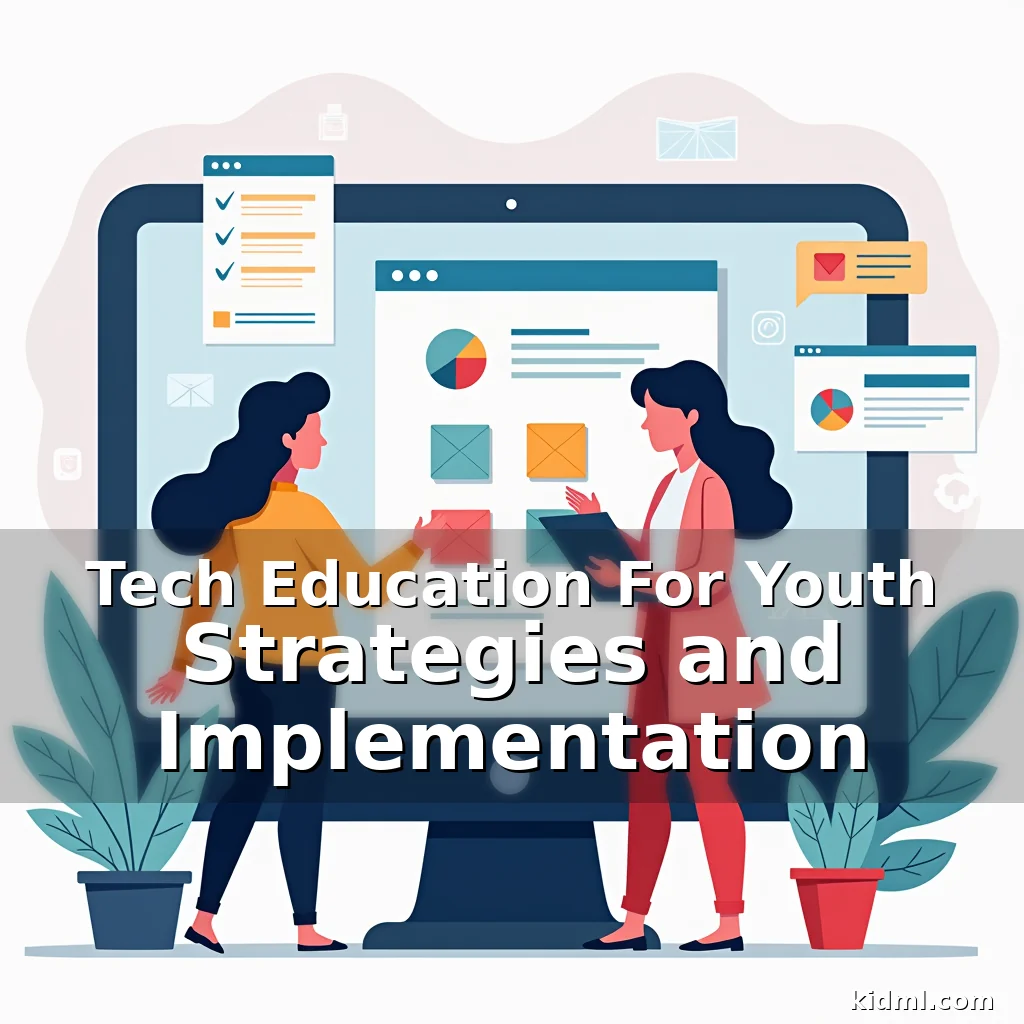
The Digital Frontier: Empowering Youth Through Tech Education
In an era where technology permeates every aspect of daily life, equipping young minds with digital literacy is not merely beneficial—it’s essential. From smart homes to artificial intelligence, children today are growing up surrounded by innovations that were once confined to science fiction.
The rise of remote learning, virtual collaboration tools, and AI-driven educational platforms has made tech education more accessible than ever before. Yet, as we embrace these advancements, it becomes crucial to ensure that our youth are prepared to navigate this evolving landscape responsibly and effectively.
Fostering Curiosity Through Early Exposure
Youth development experts emphasize that early exposure to technology can significantly enhance cognitive growth and problem-solving skills. Introducing basic coding principles through interactive games and robotics kits allows children to grasp abstract concepts in tangible ways.
When kids engage with programmable toys or simple apps designed for beginners, they’re not just playing—they’re building foundational understanding of logic and sequence. These activities lay the groundwork for future technological proficiency without overwhelming young learners.
- Interactive Learning Tools: Platforms like ScratchJr and Tynker use visual programming interfaces to teach fundamental coding concepts to preschoolers and elementary students.
- Rapid Skill Development: Studies show that consistent engagement with tech-based learning improves attention spans and enhances spatial reasoning abilities in children aged 6-12 years old.
Cultivating Critical Thinking in the Digital Age
Digital literacy extends beyond mere technical skills; it involves developing critical thinking abilities necessary for discerning information online. Teaching children how to evaluate sources, recognize misinformation, and understand data privacy fundamentals prepares them for responsible internet usage.
Educators play a vital role in integrating media literacy lessons into curricula. By analyzing news articles together, discussing social media trends, and exploring cybersecurity basics, teachers help students become informed digital citizens who can navigate complex online environments safely.
Bridging the Gender Gap in STEM Fields
Research indicates that girls often lose interest in STEM subjects during their middle school years due to societal stereotypes and lack of female role models. Addressing this issue requires targeted interventions such as mentorship programs and inclusive classroom environments.
Schools implementing initiatives like Girls in Tech clubs or partnering with organizations like Code.org have seen increased participation from female students in computer science courses. Such efforts contribute to long-term workforce diversity in tech industries worldwide.
Building Future Skills Through Project-Based Learning
Project-based learning approaches allow students to apply theoretical knowledge to real-world challenges. When working on collaborative projects involving website design or app development, learners develop both technical expertise and soft skills like communication and teamwork.
These hands-on experiences foster creativity while reinforcing core competencies in areas such as user experience design, database management, and cloud computing fundamentals. Students gain practical insight into how various technologies interconnect within modern systems.
Leveraging Technology for Inclusive Education
Advancements in assistive technologies have revolutionized access to quality education for students with disabilities. Adaptive software solutions now enable visually impaired individuals to interact with digital content using screen readers and tactile feedback devices.
Virtual reality classrooms provide immersive learning experiences that accommodate diverse learning styles. For instance, autistic students may benefit from structured VR simulations that help them practice social interactions in controlled settings.
Preparing for Tomorrow’s Workforce Challenges
As automation reshapes traditional job markets, preparing youth for emerging career opportunities becomes increasingly important. Coding bootcamps tailored for high school students introduce them to fields like blockchain development, machine learning engineering, and ethical hacking.
Industry partnerships offer apprenticeship programs that bridge academic training with professional expectations. Companies like Google and Microsoft sponsor certification tracks specifically designed for secondary school graduates entering the tech sector.
Navigating Ethical Considerations in Tech Education
With great power comes great responsibility—this adage holds true when teaching younger generations about technology. Educators must instill awareness regarding algorithmic bias, environmental impact of electronic waste, and digital rights movements.
Curriculum designers incorporate ethics modules covering topics such as AI accountability frameworks, e-waste recycling protocols, and net neutrality debates. These discussions encourage students to consider broader implications of technological progress.
Creating Sustainable Educational Ecosystems
Sustainable tech education requires ongoing investment in infrastructure, teacher training, and curriculum updates. Governments and private sectors collaborate to fund state-of-the-art labs equipped with latest hardware and open-source software licenses.
Pedagogical strategies evolve alongside technological advances. Flipped classroom models combined with AI-powered tutoring systems personalize learning journeys based on individual student performance metrics.
Empowering Communities Through Shared Knowledge
Tech education benefits extend far beyond individual achievement; communities thrive when residents possess digital fluency. Local libraries and community centers host free workshops on everything from spreadsheet analysis to video editing techniques.
Volunteer networks connect experienced professionals with aspiring learners through peer mentoring sessions. This reciprocal exchange fosters continuous skill-sharing across age groups and socioeconomic backgrounds.
Measuring Impact and Ensuring Continuous Improvement
Evaluating effectiveness remains crucial in any educational initiative. Standardized assessments track improvements in computational thinking abilities among participating students over time periods ranging from six months to two years.
Data analytics tools monitor platform engagement rates and identify gaps requiring additional resources or instructional modifications. Regular stakeholder surveys gather input from parents, educators, and industry representatives alike.
Conclusion
The journey toward comprehensive tech education for youth encompasses many dimensions—from cultivating curiosity at an early stage to navigating ethical dilemmas associated with advanced technologies.
By embracing innovative pedagogies, fostering inclusivity, and maintaining constant dialogue between academia and industry stakeholders, we empower tomorrow’s innovators to shape a digitally literate society capable of meeting global challenges head-on.

news is a contributor at KidML. We are committed to providing well-researched, accurate, and valuable content to our readers.
You May Also Like
About news
Passionate about making AI and machine learning accessible to everyone, especially young learners and beginners.
Related Articles

Tech Education For Youth: Professional Insights and Tips
The Digital Renaissance: Empowering Youth Through Tech Education In an era where technology shapes every…
Read More →
Empowering Tomorrow’s Innovators: A Journey Through Tech Education for Youth
Empowering Tomorrow’s Innovators: A Journey Through Tech Education for Youth In an era defined by…
Read More →